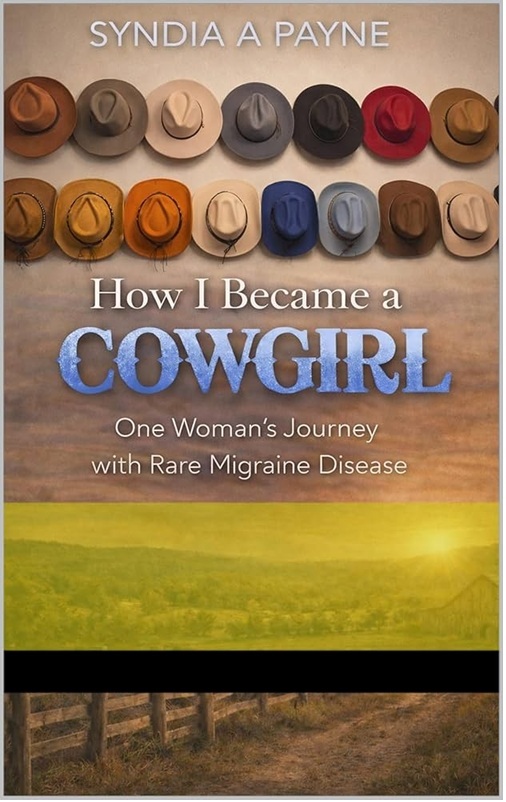
Featured Publication
At its core, How I Became a Cowgirl challenges the persistent misconception that migraine is “just a headache.” Payne presents it instead as a complex, multifaceted illness that affects memory, speech, mobility, sensory processing, and emotional well‑being. Through vivid storytelling, she captures the frustration of being misunderstood and the difficulty of navigating a condition that is not always visible to others.
Blending poetry and prose, the memoir uses fragmented language, second‑person narration, and rhythmic shifts to reflect the disorientation and cognitive disruption that accompany severe neurological episodes. Payne describes her struggle as a literal battleground: “You learn that in this war, migraine has no honor and has too many faces. Every time migraine attacks, it takes a little piece of you.”
Now based in the United States, Payne draws on her Caribbean heritage and transnational experience to frame a narrative that is culturally rooted yet universally resonant. The cowgirl motif becomes a symbolic through‑line: a figure who must stay alert, ride through unpredictable terrain, and adapt to forces beyond her control. It is a metaphor born not of Western myth but of necessity—of hats worn to shield against light, of canes used like reins, of a life lived in constant readiness for the next ambush of symptoms.
Payne transforms the cowgirl into a powerful motif for survival, self‑definition, and the relentless fight against an unpredictable frontier. For Payne, living with Migraine with Unilateral Motor Symptoms (MUMS)—a rare condition characterized by stroke-like symptoms, paralysis, and loss of speech—is akin to surviving a wilderness where the rules of the body are constantly rewritten. “You learn to block out the noise and the stares and the criticisms,” Payne writes, reflecting on the “tenacity to walk your journey with bravery”.
However, on this frontier, Payne is not alone. She highlights the essential role of her “Captain and Admiral,” her migraine alert dog Jean Luc Piccard Payne, who serves as her strongest defense and loyal companion across the “untamed” landscape of chronic illness.
The cowgirl identity becomes a form of reclamation—an assertion of agency in a life repeatedly interrupted by illness. It symbolizes resilience, adaptability, and the quiet courage required to face each day’s uncertainties. While deeply personal, the narrative speaks to a global community living with chronic and invisible illnesses, inviting readers to reconsider how such conditions are perceived, accommodated, and treated.
How I Became a Cowgirl will resonate with readers of memoirs, literary nonfiction, disability narratives, and health‑focused literature. Its themes of resilience, identity, and survival extend far beyond its medical subject matter.
Other Publications



 SyndiaAPayneWrites